
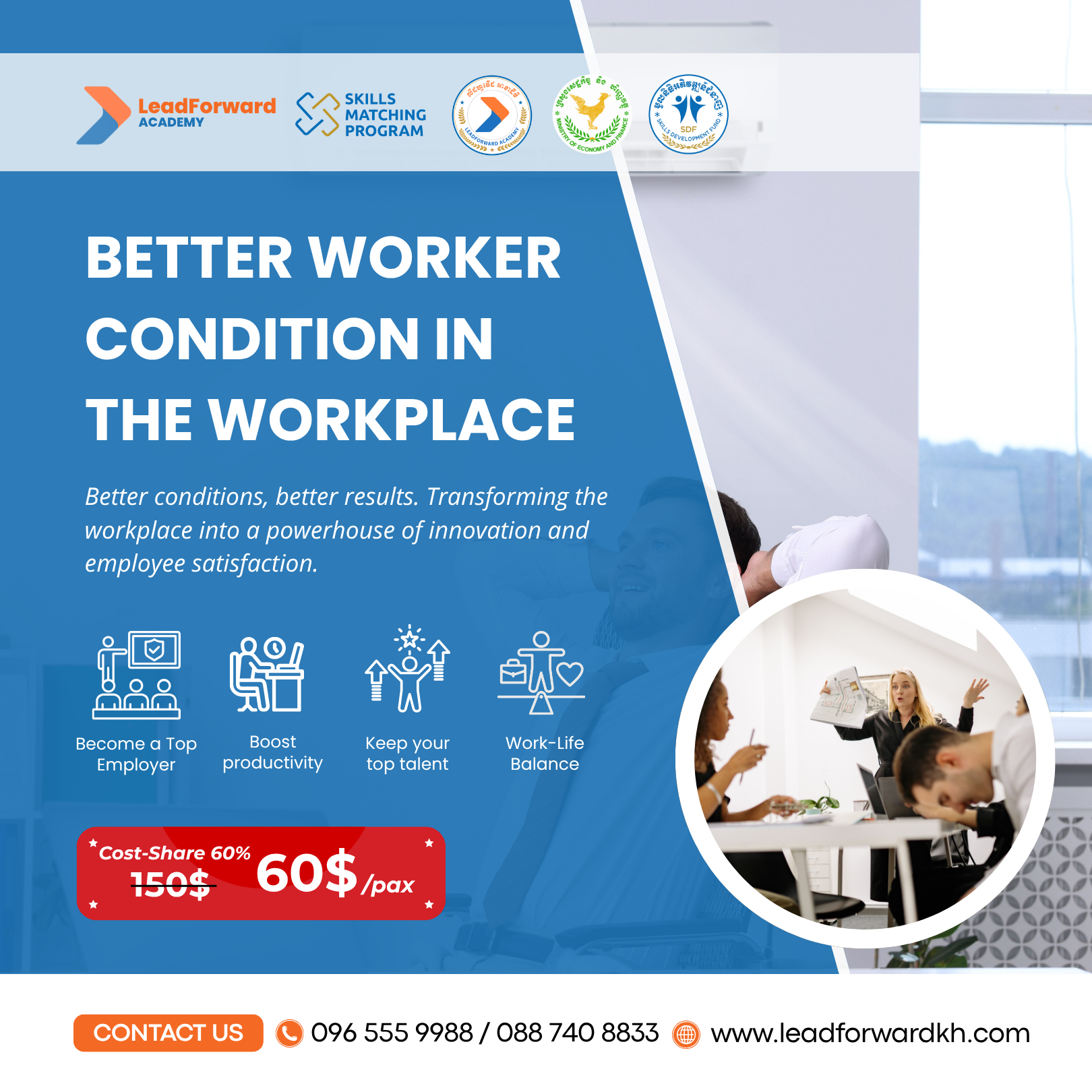
Objective
To provide students with an understanding of the concept and importance of labour conditions in the workplace.
To familiarize learners with laws, regulations, and standards governing labour conditions and workers’ rights.
To examine issues related to wages, working hours, workplace safety, health, and social security.
To analyze the relationship between employers and employees and the role of trade unions and labour organizations.
To develop awareness of fair labour practices and the prevention of exploitation and discrimination at work.
To understand the impact of labour conditions on productivity, economic development, and social welfare.
To encourage critical thinking about current labour issues at local, national, and global levels.
Learning Outcome
Understanding Labor Laws: Participants will gain knowledge of important labor laws and regulations that govern working conditions.
Awareness of Workers' Rights: The course will cover workers' rights and the responsibilities of employers.
Assessment of Workplace Conditions: Learners will learn how to evaluate and assess workplace environments for compliance with labor standards.
Conflict Resolution Skills: Training on how to resolve disputes between employers and employees effectively.
Advocacy Skills: Development of skills to advocate for better labor conditions and policies.
Empathy and Ethics: An understanding of the ethical implications of labor conditions and the importance of promoting fair treatment in the workplace.
Policy Development: Skills to help develop and implement policies that improve labor conditions
Course Content
Training Contents
Module 1: Introduction to Better Worker Conditions (Theory)
Duration: 1.5 Hours
Definition of worker conditions
Importance of decent working conditions
Benefits for workers and enterprises
Shared responsibilities of employers and workers
Module 2: Legal and Ethical Standards for Worker Conditions (Theory)
Duration: 2 Hours
National labor standards and regulations
International labor standards (ILO principles)
Employer obligations regarding worker conditions
Ethical workplace practices
Module 3: Occupational Safety, Health, and Workplace Environment (Theory + Practice)
Duration: 3 Hours
Theory:
Safe and healthy working environments
Workplace facilities (lighting, ventilation, sanitation, rest areas)
Prevention of workplace accidents and illness
Practice:
Workplace condition assessment using checklists
Group discussion on improvement measures
Module 4: Working Hours, Wages, and Welfare Facilities (Theory + Practice)
Duration: 3 Hours
Theory:
Fair wages and timely payment
Working hours, overtime, and rest periods
Welfare facilities (canteen, drinking water, first aid)
Practice:
Case study analysis on wage and hour compliance
Group problem-solving activity
Module 5: Worker Rights, Communication, and Grievance Handling (Theory + Practice)
Duration: 3 Hours
Theory:
Worker rights and dignity at work
Effective workplace communication
Grievance handling mechanisms
Practice:
Role-play: handling worker complaints
Designing a simple grievance procedure
Module 6: Mental Well-being and Psychosocial Work Environment (Theory + Practice)
Duration: 2 Hours
Theory:
Stress, harassment, and workplace pressure
Promoting respect and inclusion
Work–life balance strategies
Practice:
Scenario discussion on psychosocial risks
Group activity: improvement action ideas
Module 7: Review, Assessment, and Workplace Improvement Planning (Practice)
Duration: 1.5 Hours
Review of key learning points
Short assessment or group presentation
Development of workplace improvement action plans
Who is it for?
Workers and Employees in the enterprise and Leader representative.
Training Method
Theory (9.00 hours) Practice (7.00 hours)
Minimum Entry Requirements
Participants should be workers, supervisors, HR staff, or managers
Basic understanding of workplace operations
Ability to communicate in English
Willingness to participate in discussions and practical activities
No prior specialized training required




© 2026 LeadForward Academy. All rights reserved.